Plumbing · Marylebone, London
Radiator Repair & Installation in Marylebone, London
Before you pay anyone to replace a radiator, find out whether it needs replacing. [The Honest Plumber Marylebone](/) takes calls on 07782 221769 around the clock and sends an independently owned partner company who will tell you if the fix is a ten-pound valve, a bleed, or a new radiator, and put the answer in writing.
Radiators in this part of London carry a lot of history. A Georgian drawing floor in a Bentinck Street terrace has tall rooms that need real output, a Harley Street consulting room may have a cast-iron column radiator older than anyone working in it, and a Mayfair mews flat usually has a compact panel crammed under a window.
Most leaks come from the valve or the joint, not the radiator body. Published London figures put a leaking radiator valve at roughly £100 to £200 to fix, against £205 to £610 per radiator to replace one outright. That gap is the whole reason to diagnose first.
Hard water makes this worse. Thames Water's own 2025 figure for its City zone is 266 mg/l, and scale and black sludge inside a radiator leave cold patches along the bottom and corrosion pinholes that eventually weep. A small pinhole on an old steel panel is a replacement. A weeping gland nut is not.
If every radiator in the flat is cold, the fault is probably upstream in the pump or valves, and our central heating repair page is the right place to start.
Our line is open · Open 24 Hours
Give us a ring07782 221769Friendly, real people on the phone. Or request a quote
Services
What Goes Wrong With a Radiator
Radiator faults sort themselves into three tidy groups, and only one of them needs a new radiator.
Leaking Valves and Joints
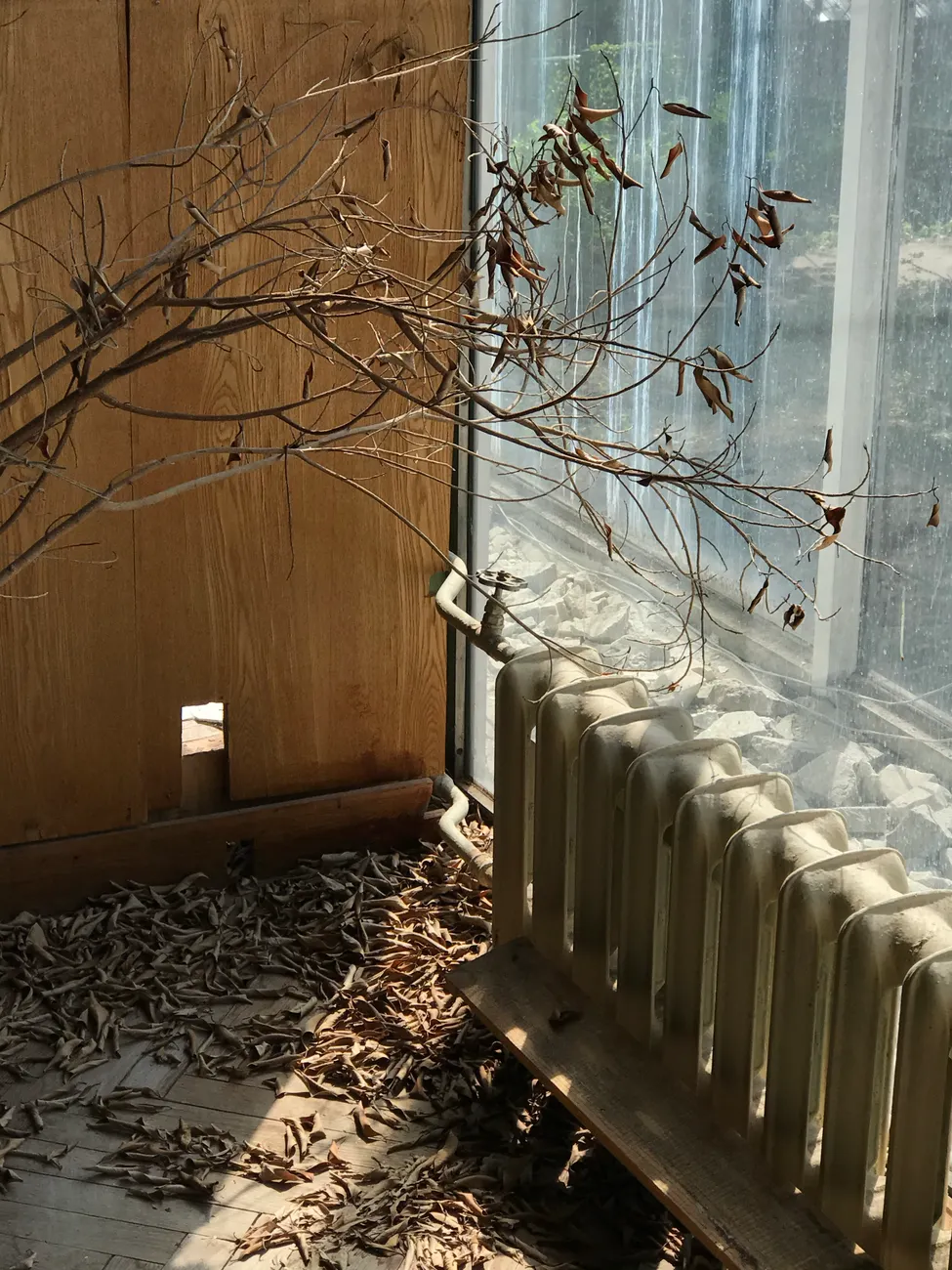
Water at the foot of a radiator usually comes from a worn valve spindle, a loose union or a tired gland. Replacing the valve or re-making the joint costs a fraction of a new radiator, and the heating can be drained down for the shortest time possible.
Cold Spots and Stuck Radiators
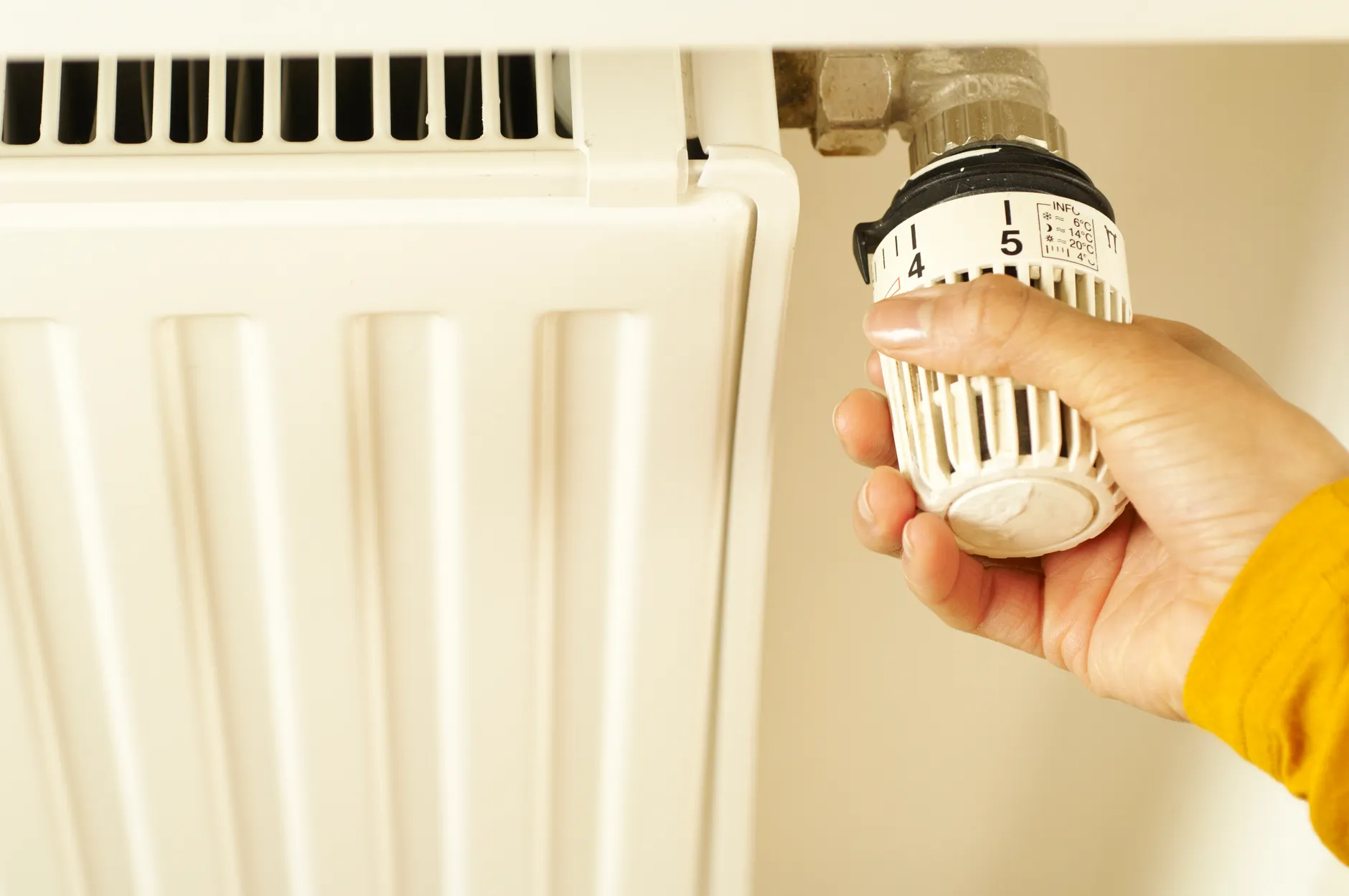
Cold at the top means trapped air, so bleeding it fixes things. Cold at the bottom means sludge. A radiator that stays cold all over often has a seized valve pin, which a plumber can free without removing anything from the wall.

Replacement and Installation
When a radiator is corroded through, or you are moving to a bigger one for a cold room, the partner company sizes it to the room, fits thermostatic valves and writes the price down. Matching old pipe centres often saves on pipework alterations.
What's In It for You
How We Keep the Bill Straight
Radiator work is easy to over-sell, so the process is built to prevent it.
Cheapest Fix First
Bleed, then valve, then joint, then replace. The partner company works up that ladder and stops at the first rung that solves the problem, with each step priced before it is done.
Right-Sized, Not Over-Sized
A new radiator is matched to room volume and the boiler's output, so it neither overpowers the flow nor leaves a bay window cold. Thermostatic valves are fitted where they make sense.
System Drained, Refilled, Checked
Draining, refilling, venting and an inhibitor top-up are part of the job, not extras. Pipework and fittings meet BS EN 806 and the manufacturer's instructions.
Handy to Know
Radiator Signs and Quick Checks
Some jobs you can start yourself.
Signs You Need a Plumber
These point to more than a bleed.
- A damp patch or rust stain under the valve
- Brown or black water when bled
- A radiator that stays cold along the bottom edge
- A hissing or dripping valve that will not close
- Visible rust holes or bubbling paint on the panel
Try First
Free and quick, and worth a go.
- Switch the heating off before opening any bleed valve
- Bleed from the top with a key, catching drips in a cloth
- Close the valve and check the boiler pressure afterwards
- Turn each valve fully open and back a quarter turn
- Photograph the leak before you ring, which speeds the diagnosis
What You Can Expect
Radiators in Old London Buildings
The building shapes the job as much as the radiator does.
Conservation Area Elevations
East Marylebone, Harley Street and Mayfair are conservation areas, and listed buildings need consent for changes that affect their character. Internal radiator work is usually straightforward, but anything touching a street-facing wall is checked first.
Lead and Early Copper Pipes
Older Mayfair and St John's Wood houses can hide lead or early copper under floorboards. A careful plumber checks what is there before cutting in, because a new radiator on a brittle old pipe can start a second leak.
Floors Worth Protecting
Parquet and polished boards cost more to fix than any radiator. Drips are caught, floors are covered and the old unit is carried out in one piece rather than drained across the hall.
If one radiator is the only fault, you may not need a heating engineer at all. For the larger picture of how jobs run, read how we work, and for a radiator feeding a bigger water leak see burst pipe repair.
Replace or Repair: The Plain Rule
A radiator repair means fixing a valve, joint or air lock so the existing unit works again; a replacement means removing the unit and fitting a new one. Replacement is the right call when the panel is rusted through, when sludge has damaged it beyond a flush, or when the unit is too small for the room. Otherwise, repair.
Building Regulations Part L covers the efficiency of the heating system as a whole, which is why valve and control upgrades are worth discussing when a radiator comes out.
What Affects the Price of a Radiator Job
Size, Type and Finish
Column radiators in cast iron cost more than steel panels, and designer finishes cost more again. Matching the pipe centres of what is on the wall saves labour, which is why a photograph of the existing radiator helps.
Floor, Access and Parking
A flat above a shop on Marylebone High Street with a long carry from a controlled bay takes longer than a ground-floor swap. Say so when you ring, and the written quote allows for it.
Honest Notes on Radiator Upgrades
Bigger Is Not Always Better
A cold room is often a balancing or sludge problem. A bigger radiator on an unbalanced system just moves the problem. The partner company checks flow and balance first, then recommends a size.
Towel Rails and Designer Units
Heated towel rails and tall designer units are installed on request. They are priced separately, and the plumber confirms the boiler can supply them without starving other rooms.
When a Leak Has Already Reached the Ceiling Below
In a converted Georgian house or a mansion block, a weeping radiator can drip through the floor into the flat beneath within a night. If you see a stain below, isolate the radiator, tell the downstairs neighbour and ring straight away. Water travelling along joists can surface far from its source, so the partner company checks the line beneath the floor before refilling.
Before the Plumber Arrives
Clear a path to the radiator, move rugs and anything electrical, and note which valve is leaking. If you can, take a photograph of the radiator, the valve and any rust marks. It takes thirty seconds and lets the partner company bring the right valve, union or replacement panel on the first visit instead of the second.
Keeping the Heating Balanced Afterwards
Once a radiator is repaired or replaced, the partner company balances the lockshield valve so the new unit does not steal heat from the rest of the flat. It is a five-minute job that avoids the classic complaint of one roasting room and one cold one.
Good Questions
How much does it cost to replace a radiator in Marylebone?
Published London guides put replacing a single radiator at about £205 to £610 including the radiator, with like-for-like labour around £200 to £400. Valves add £10 to £50 each. Central London jobs can run higher because of parking and access. The partner company confirms its own price in writing before work begins. Cast iron and designer units cost more than a plain steel panel, and the plumber says so up front.
Can a leaking radiator be repaired or must it be replaced?
It depends where the water is coming from. A leak at the valve or union is usually repaired by replacing the valve or re-making the joint, at around £100 to £200 in published London figures. A pinhole through the radiator panel is almost always a replacement. A plumber can tell in minutes, so ask for the diagnosis first.
Why is my radiator cold at the bottom?
Cold along the bottom usually means sludge has settled and is blocking flow, which is common in older systems where hard water has speeded corrosion. A chemical clean or a power flush to BS 7593 may be needed. Bleeding will not fix this, though it does help when the top is cold, so check which end is cold first.
Can I bleed my own radiator?
Yes, and it is one of the easiest jobs in the house. Turn the heating off, use a radiator key on the bleed valve at the top, and hold a cloth under it until water, not air, comes out. Close it, then check your boiler pressure. If water is black or the radiator is still cold, ring us.
Do I need a new radiator for a cold room?
Not always. A cold room may have an undersized radiator, but it may also have a seized valve, trapped air or poor balancing. Tall Georgian rooms in Marylebone often need more output than a standard panel gives. The partner company checks the flow first, then sizes a replacement only if one is needed. Photographs of the room and the radiator help a great deal on the phone.
Will removing a radiator drain my whole heating system?
Usually the system is partly drained, not emptied fully, and the plumber isolates what can be isolated first. Isolating valves on the radiator itself limit the water lost. A refill, vent and inhibitor top-up are part of the job. If the system has not been inhibited, expect the black water to show it. The partner company will explain how much water will be drained before they start.
Can you fit a radiator in a listed building?
Internal radiator work in a listed building is generally fine, though anything that affects the historic fabric may need consent. Harley Street's conservation area has 235 listed buildings and the Portman Estate's has 238. We flag consent questions early, and the partner company will confirm what applies to your address. If consent turns out to be needed, you hear that before any work begins.
Why does my radiator make a banging or clicking noise?
Clicking is usually pipework expanding as it heats, rubbing on a bracket or floorboard. Banging can mean trapped air, a failing pump, or limescale deposits in the boiler or radiator. Because hard water scales a heating system faster, noise can be a sign that a flush is due. A diagnosis finds the cause rather than guessing.
Do thermostatic radiator valves save money?
They let each room settle at its own temperature, which can avoid overheating rooms that do not need it. They work best on a system with a sound pump and clean water. Valves cost around £10 to £50 each in published figures, and the system needs a route for water to keep flowing when they close, which the plumber checks.
What should I do if a radiator leaks at night?
Turn the radiator valve off at both ends, place a bowl or towels underneath and switch off the heating. If water is heavy, isolate the heating system and, if needed, the mains at the stopcock. Then call us on 07782 221769. The line is answered at every hour and a partner company is found for the job.
How long does a radiator swap take?
A like-for-like swap on a standard panel can take two to three hours including draining, fitting and refilling. A move to a different size or position takes longer because pipes may need altering. The partner company tells you the expected time with the quote, and parts can sometimes add a second visit. On older pipework, allow extra time in case a brittle section needs replacing.
Do you cover radiator work in Fitzrovia and St John's Wood?
Yes. We cover Marylebone, Fitzrovia, Mayfair, St John's Wood, Regent's Park and Portland Place. Fitzrovia and St John's Wood both straddle a Camden boundary, which can change building control and parking rules, so we ask for the full address. Local notes are on the Mayfair and Fitzrovia pages. Ring with your full address and postcode and we will confirm the borough straight away.