Plumbing · Marylebone, London
Central Heating Repair in Marylebone, London
Half the central heating calls in W1 start with the same question: is this my system or the building's? [The Honest Plumber Marylebone](/) answers on 07782 221769 at any hour, and an independently owned partner company comes out to find the fault, tell you plainly what it is and put a written price in front of you before a spanner moves.
Marylebone's housing is a patchwork. Georgian townhouses on Bentinck Street have been cut into flats, the Howard de Walden rebuilds around Harley Street added Edwardian mansion blocks, and each can run anything from a private combi to a shared boiler room in the basement. That mix decides who owns the problem before anyone opens a toolbox.
Typical faults are unglamorous: a pump that has stopped, a motorised zone valve stuck shut, a system full of black sludge, or air trapped so the top-floor radiators stay stone cold while the hall one scalds. London's hard Thames Water supply, 266 mg/l in its 2025 City zone figures, feeds the scale that makes some of these worse.
A fair warning: published London guides put a power flush at about £320 to £720 and a replacement combi at £2,500 to £5,500 fitted. We would rather tell you when a £150 repair will do than let you drift into a boiler you did not need, and the partner company confirms its own figure in writing.
If the whole system is dead on a January night, ring now. If one radiator is cold and the rest are fine, there is a quicker, cheaper answer on our radiator repair page, and a failed boiler itself is covered under emergency boiler repair.
Our line is open · Open 24 Hours
Give us a ring07782 221769Friendly, real people on the phone. Or request a quote
Services
Heating Faults We Chase Down
Most heating complaints trace back to one of three places: the pump and valves, the water in the pipes, or the controls telling the system what to do.

Cold Radiators and No Circulation
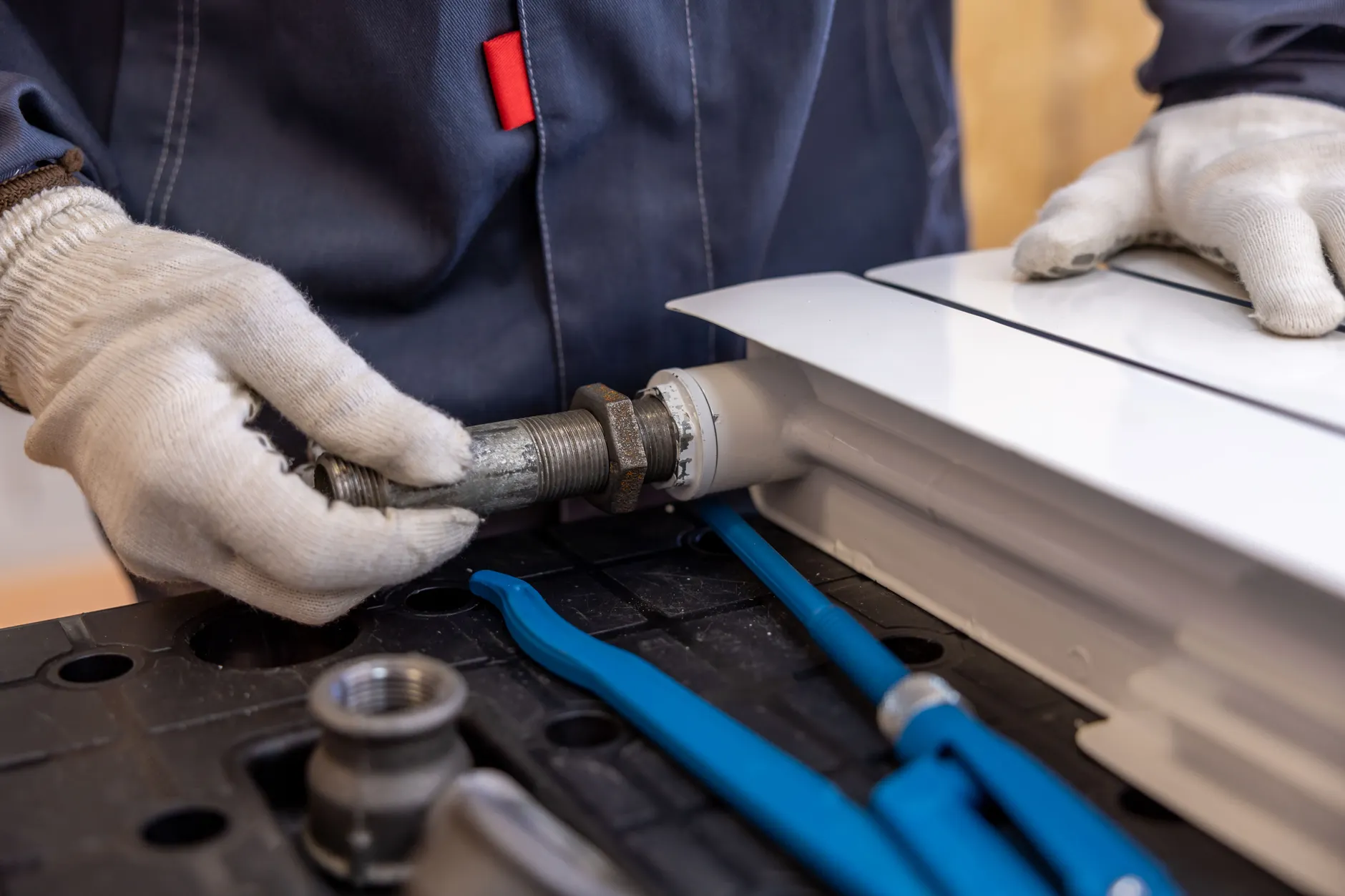
When the boiler fires but the radiators stay cold, the usual suspects are a seized pump, a stuck zone valve or a blocked primary circuit. The partner company tests each in turn, so you pay for the one that failed and not a guessed set of parts.
Sludge, Scale and Slow Warm-Up
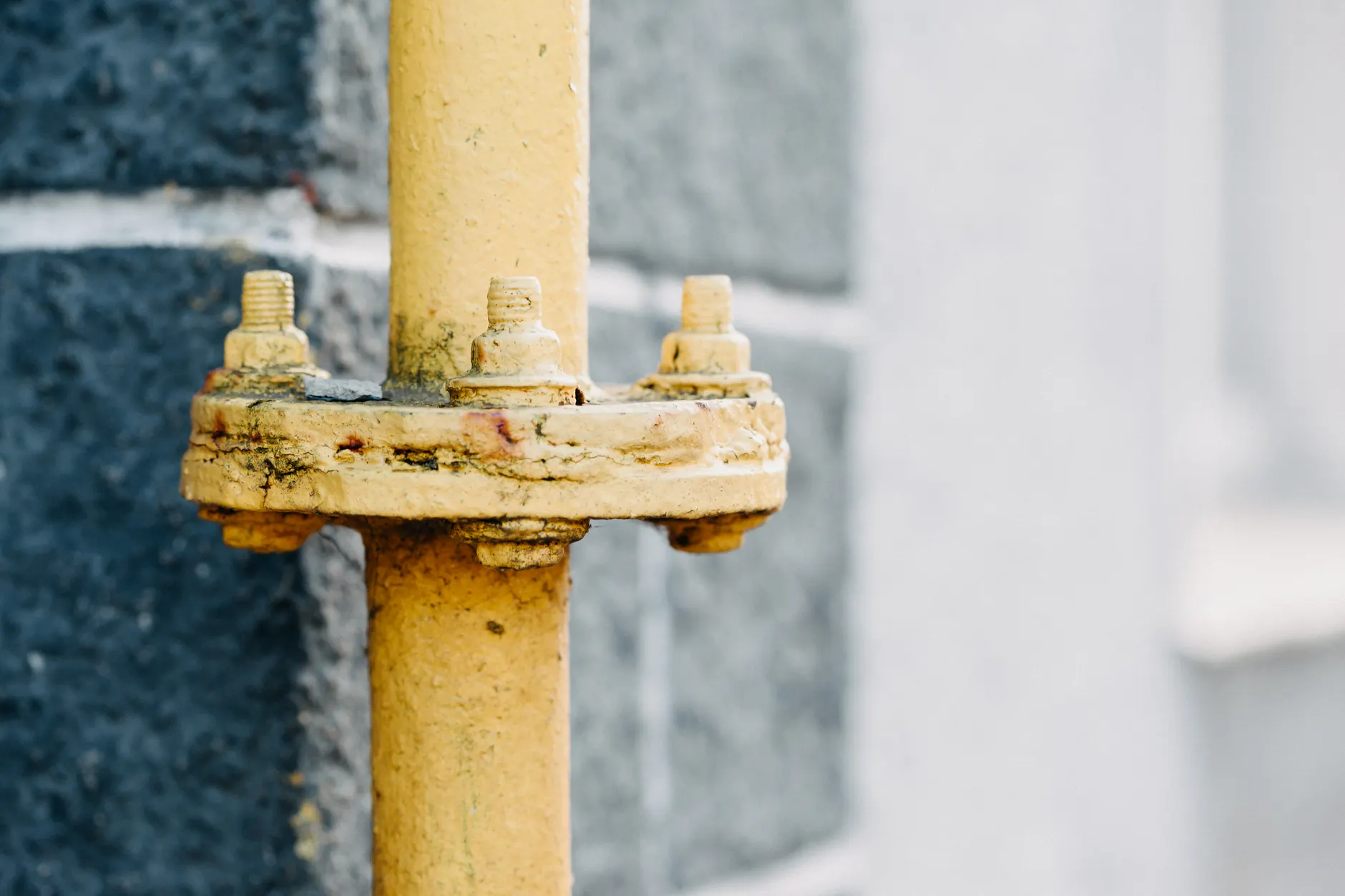
Black magnetite sludge and limescale choke older iron and steel systems, and hard water speeds the scale. Cleansing follows BS 7593, from a simple chemical clean to a full power flush, and you are told which one the system actually needs.

Controls, Thermostats and Programmers
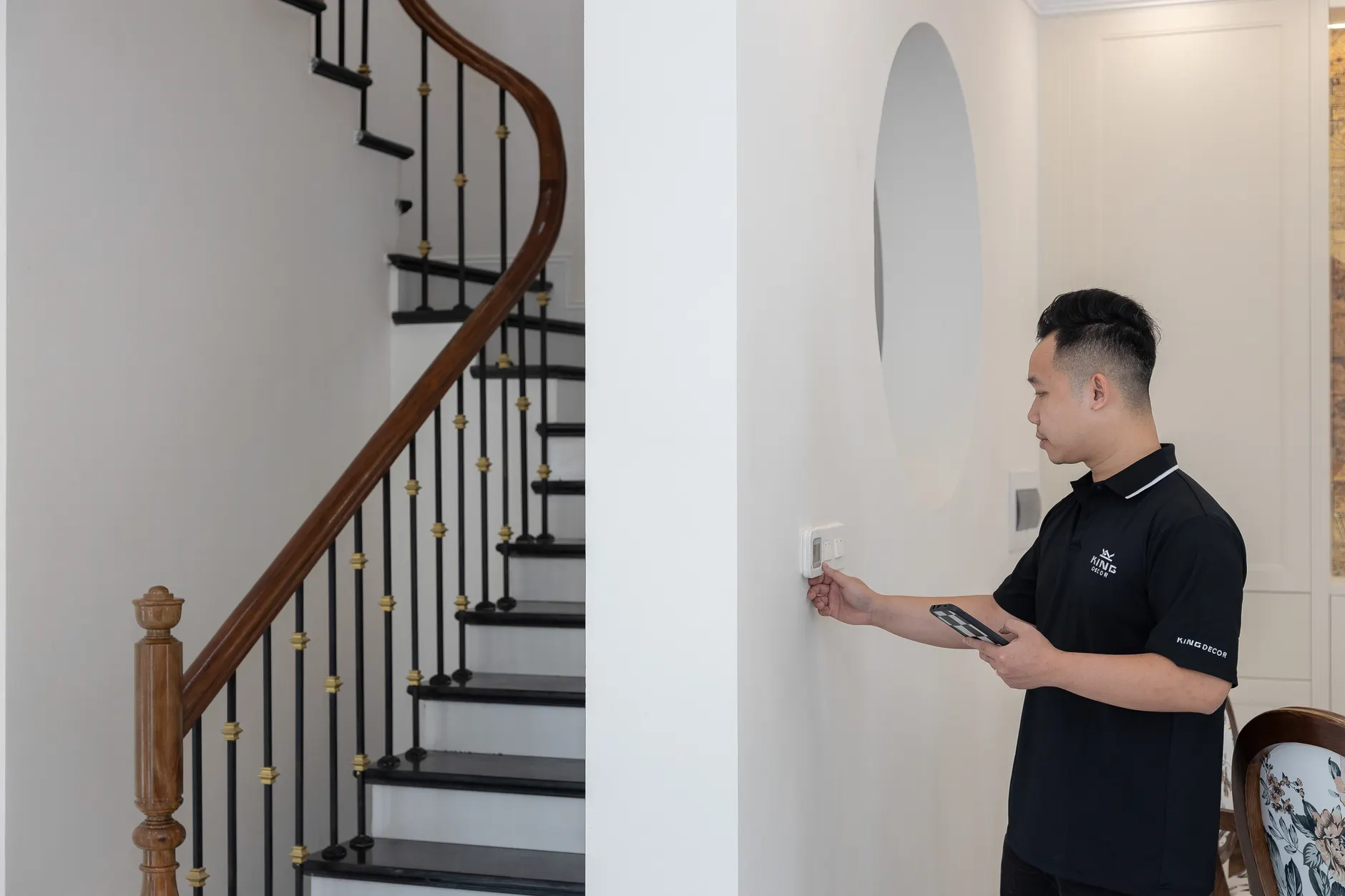
A heating system that runs all night or never starts is often a wiring centre, programmer or room thermostat fault, not the boiler. These are cheaper to fix than most people fear, and quicker when the fault is found before parts are ordered.
What's In It for You
How We Keep Repair Costs Honest
A heating call goes wrong when nobody stops to ask whether the system is worth saving.
Diagnosis Before the Quote
The partner company looks at the pump, valves, pressure and flow before naming a price. You get the fault, the fix and the cost in writing, and nothing is ordered until you have said yes.
Repair Versus Replace, Said Out Loud
If the repair costs more than a sensible fraction of a new unit, you hear that straight. Part L efficiency rules for new boilers are explained so the comparison is fair.
Built to the Rulebook
Gas-side work follows the Gas Safety (Installation and Use) Regulations 1998 and the manufacturer's instructions. Pipework and cleansing follow BS EN 806 and BS 7593 respectively.
Handy to Know
Is Your Heating Trying to Tell You Something?
Systems usually complain before they quit.
Early Warning Signs
Catch these and the repair is often small.
- Radiators hot at the bottom and cold at the top
- Banging or kettling noises from the boiler or pipes
- Frequent loss of pressure on the boiler gauge
- Black water when a radiator is bled
- Heating that takes much longer to warm the flat than it used to
Before You Ring
A few checks that save time on the call.
- Check the programmer and thermostat are set to heat
- Look at the boiler pressure gauge and note the reading
- Note any fault code shown on the boiler display
- Find out whether the boiler is yours or communal
- If you smell gas, stop and ring 0800 111 999 first
What You Can Expect
Heating in a Building With a Freeholder
Central London heating is rarely a one-person decision.
Communal Plant Is Not Yours
Many mansion blocks around Harley Street and in St John's Wood run on a shared boiler. If your flat has no boiler of its own, the fault may sit with the managing agent, and we will say so before you pay for anything.
Listed Fabric Limits the Options
Harley Street's conservation area holds 235 listed buildings and the Portman Estate's holds 238. Flue terminals and visible street-side pipework can need consent, so the fix is chosen with that in mind.
Parking and Access Are Planned
Westminster's controlled parking zones apply, so the partner company arrives ready to use a bay or a trades permit. Checking hours on the kerb signs is part of the plan, not an afterthought on your invoice.
Heating faults are expensive when they are guessed at and cheap when they are found. For a fuller picture of how a call here runs, see how we work, and for a leak at a heating joint see leak detection.
What a Heating Repair Really Covers
A central heating repair is the diagnosis and mending of a fault in the closed loop that carries hot water from the boiler to the radiators and back: the pump, the valves, the controls and the water itself. It is separate from fixing the boiler's own burner or heat exchanger, which has its own page.
Building Regulations Part L sets efficiency standards for new and replacement boilers and controls, which matters when a repair turns into a replacement. Cleansing a tired system follows BS 7593, and the manufacturer's instructions govern anything the regulations leave open.
What Moves the Price
Access and Parking
A flat on the fourth floor of a mansion block with a controlled bay outside costs more time than a ground-floor job. Tell us the floor, the lift and the parking situation when you ring, and the written quote reflects it.
Parts and Age
An old pump that is no longer made may need a modern equivalent and some pipework alteration, which turns a quick swap into a longer job. The partner company explains the parts decision before ordering, and a fault code or a photo of the boiler data plate speeds it up.
Sludge and Scale
A system choked with sludge needs cleansing before any new part will last, and a flush adds a real line to the quote. The partner company shows you the black water from a bled radiator, which is a better argument than any sales pitch.
When the Honest Answer Is Not a Repair
Some heating problems are not worth a repair call. A single radiator with a stuck pin can often be freed with a bleed key and ten minutes, and the radiator repair page walks through it. A boiler that has locked out once may only need its pressure restored. We would rather talk you through that over the phone than send anyone out for a job you can do yourself.
Seasonal Reality
Heating calls spike on the first cold week of autumn, when systems that sat idle all summer are asked to work. Pumps seize and valves stick from disuse. If you ring before the cold arrives, there is more choice on timing and the fix is less rushed.
Good Questions
How much does central heating repair cost in Marylebone?
Published London guides in 2026 put a boiler breakdown with no parts at roughly £150 to £250 and one needing parts at £250 to £500 or more. A pump might add £150 to £250 and a power flush £320 to £720. Central London can run higher because of parking and access. The partner company confirms its own price in writing before starting, so you are never surprised.
Why are my radiators cold when the boiler is on?
The boiler is heating water, but something is stopping it reaching the radiators. The common culprits are a failed pump, a stuck zone valve, a sludge blockage or trapped air. A good diagnosis tests each in order. If only the top-floor radiators are cold, air is the likelier cause, and that is a cheap fix.
Is my flat's heating my responsibility or the freeholder's?
It depends on whose boiler and pipes it is. If your flat has its own boiler and the pipework runs only inside your walls, the repair is yours. If the building has a communal boiler room serving several flats, the managing agent or freeholder usually owns the plant. Your lease says which, and we will say honestly when we think it is not your bill.
Do I need a power flush?
Not always, and we will say so. A power flush suits an older system full of sludge where radiators heat unevenly, and it follows BS 7593. A newer, clean system may only need a magnetic filter and a chemical inhibitor. Because London water is hard, scale builds faster, but a diagnosis decides, not a sales script.
Is it worth repairing an old boiler or should I replace it?
Published London prices run from about £2,500 to £5,500 for a fitted combi, so a repair that costs a few hundred pounds is usually the sensible choice. If a boiler keeps failing, parts are unavailable or efficiency is poor, replacement makes more sense. A new boiler is also notifiable to Westminster building control under Part L, which the partner company explains.
Can you fix heating in a listed building?
Yes, but care is needed. Much of Marylebone sits in conservation areas, with 235 listed buildings in the Harley Street area alone. Internal repairs are usually straightforward, though flue terminals and visible external pipework on a street elevation can need consent. The partner company works out what is allowed before proposing a solution. If consent is needed, the partner company tells you before any work starts, so nothing surprises you later.
What does a heating call-out cost at night or on a weekend?
Published London guides put emergency call-outs at about £80 to £150 on weekday daytimes and £150 to £250 overnight, with weekends and bank holidays higher. Those figures typically include the first hour. The partner company states its own charge in writing before it starts, so you know the number before you agree. Ask for the full figure, including any parking cost, before you agree to the visit.
Why does my heating keep losing pressure?
A sinking pressure gauge means water is escaping the sealed system somewhere, or the expansion vessel has failed. The cause may be a weeping valve, a leaking radiator joint or a faulty pressure relief valve. Topping up repeatedly hides the problem and can add fresh limescale-forming water, so it is better to find the leak.
Do you work on communal heating in mansion blocks?
We can send a partner company to diagnose the problem in your flat, such as radiators, valves and controls. Work on the communal plant room and risers normally needs the managing agent's authority. The partner will tell you plainly where your responsibility ends so you do not pay for work that is not yours. That clarity also helps if you need to raise the fault with the freeholder afterwards.
My boiler has a fault code. Is that a heating problem?
A fault code points to what the boiler thinks is wrong, and it often leads to a circulation, pressure or sensor fault. Note the code before you ring. If you smell gas at any point, leave the property and call the National Gas Emergency number, 0800 111 999. Otherwise, call us and the code speeds up the diagnosis.
Can heating be fixed the same day?
Often, though we cannot promise an arrival time. The line is answered at every hour and the job is passed to the partner company who can reach you soonest and suits the fault. Parts that are not on the van can add a visit. You will get a text with the partner company's name before anyone arrives.
What areas do you cover for heating repairs?
We cover Marylebone, Fitzrovia, Mayfair, St John's Wood, Regent's Park and Portland Place. Fitzrovia and St John's Wood each straddle a borough boundary with Camden, so the building control and parking rules can differ by address. See our Fitzrovia and St John's Wood pages for local notes. Ring with the full address and postcode and we will confirm the borough straight away.